Programs You Can Join in High School

These already exist in most communities and have for decades. The reason you have not heard of them is that they do almost no advertising. Here is what each one is, what a junior member actually does inside it, and roughly what age you can start. Ages and rules vary by state, so treat these as the general shape rather than the local rule.

Fire Service

Junior Firefighter Programs

Most volunteer fire departments run a junior or cadet program, and many will take you at 14 to 16 depending on the state. You train at the station on the same night the adults drill, and you respond to calls in a support role with clear written limits on what you can touch.

  • At a scene you work the outside. Staging and fetching tools, rolling and repacking hose, and running rehab, which means getting water, food, and rest to firefighters coming out of a structure. You are not in the building.
  • At the station you actually learn the job. Hose handling, ladders, knots, SCBA familiarization, radio discipline, apparatus checks, and basic fire behavior.
  • You bank time toward certification. Several states let juniors begin Firefighter I coursework before 18, so you can step into full interior membership on your birthday rather than starting the queue then.
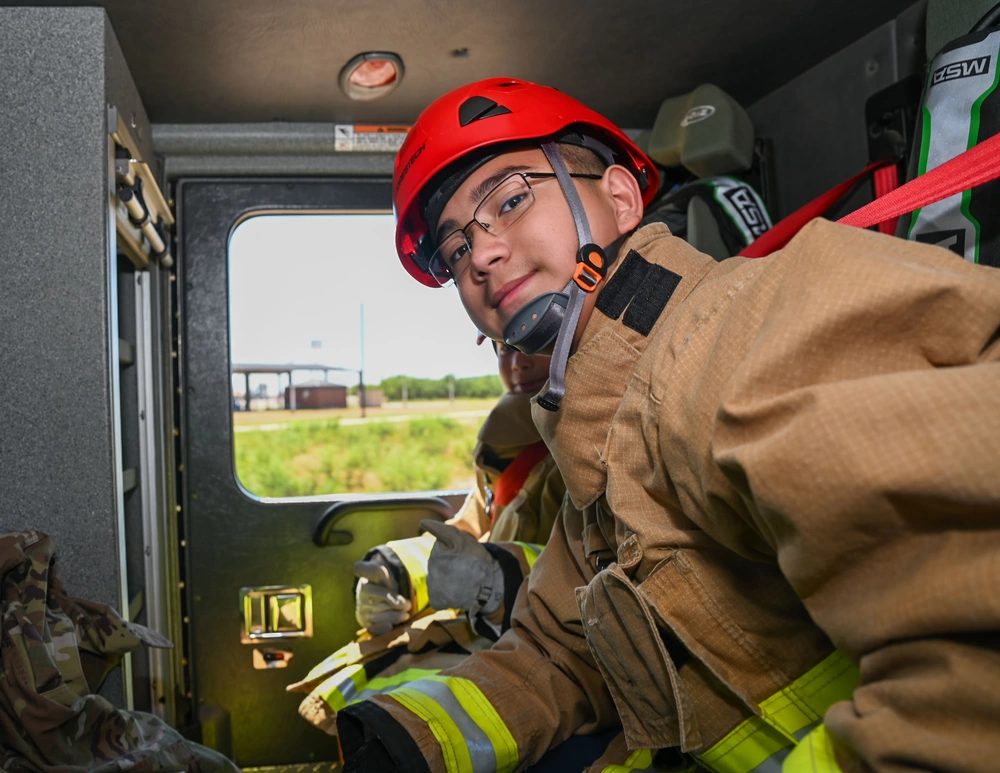
A young firefighter in turnout gear and a red helmet seated in the crew cab of a fire engine
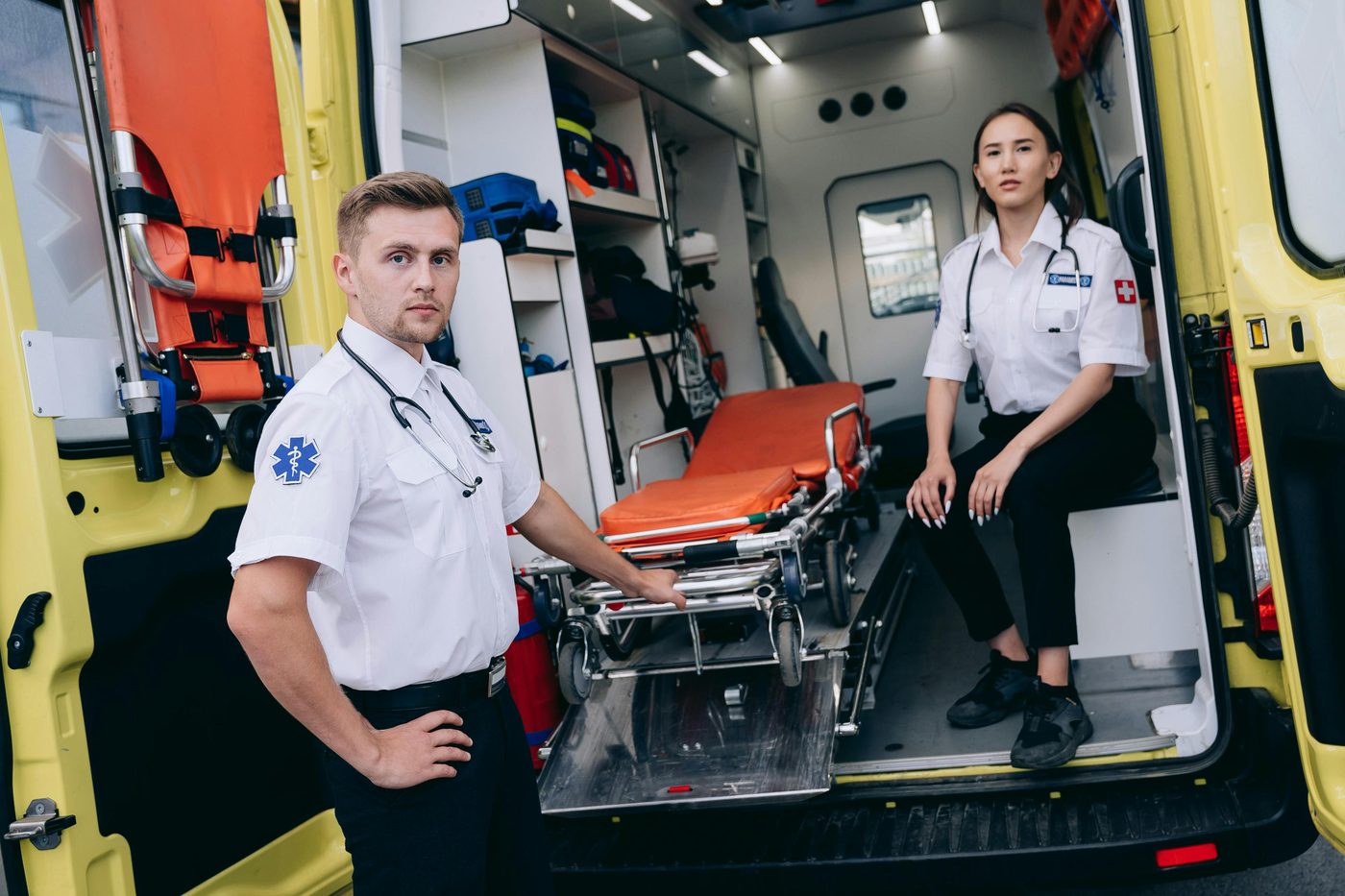
Two EMTs standing at the open rear doors of an ambulance with the stretcher loaded

Emergency Medical Services

Volunteer EMS & Junior Squad Membership

Volunteer ambulance corps and rescue squads take high school students as junior or youth members, commonly from 16. If you are considering anything medical, this is the only realistic way to be around actual patients before college.

  • Calls are filtered before you ride. The squad decides from the dispatch information which calls a youth member goes on. You will not be sent to everything the adults are sent to.
  • You do real patient care under supervision. Taking vitals, splinting, bandaging, moving patients, running the stretcher, and restocking the rig, always alongside a certified provider.
  • You can be certified young. Many states let you take the EMT course at 16 or 17 and certify at or near 18, which turns into a paying job as an ER tech or on an ambulance while your friends are looking for shifts at a restaurant.

Law Enforcement

Police Cadet & Explorer Programs

Plenty of police departments run a cadet post or an Explorer post, many of them chartered through Learning for Life. They are structured, they meet regularly, and they are run by officers rather than volunteers with an interest.

  • It is classroom and drill, not patrol. Traffic law, investigations, evidence handling, radio procedure, and community policing, taught in sessions and scenario exercises rather than on live calls.
  • You work public events. Parades, fairs, races, and community days alongside officers, in visible and deliberately safe roles.
  • Some posts compete. Explorer programs run regional and national competitions in things like crime scene processing and traffic stops, which is a genuinely unusual thing to have done at 17.
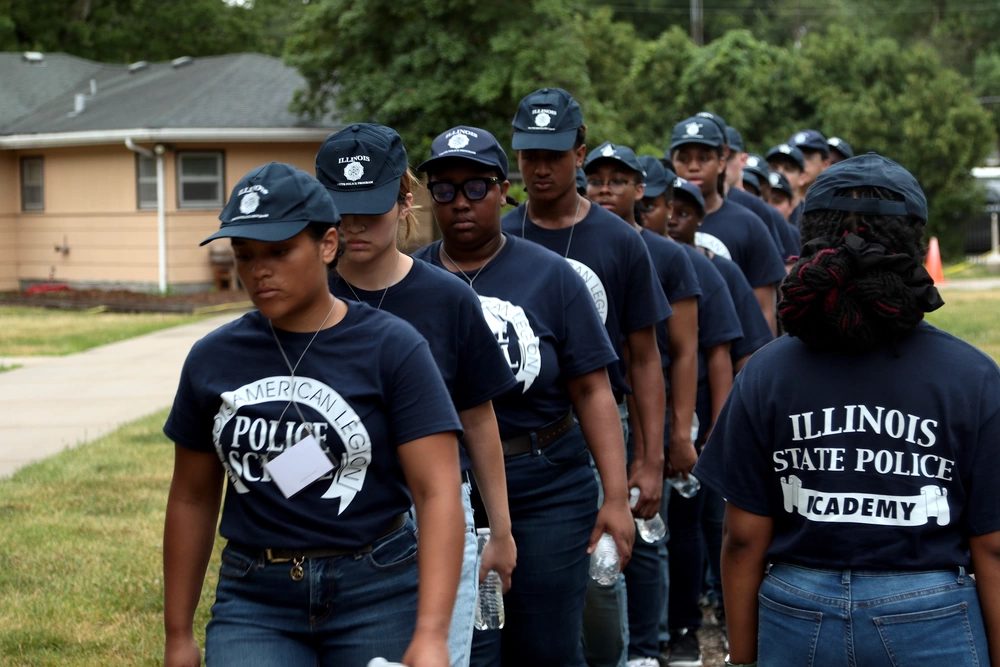
A column of police cadets in matching academy shirts and caps marching in formation

If none of those fit

Fire, EMS, and cadet posts are the three big ones. They are not the only doors in, and these tend to have lower barriers to entry.

CERT and emergency management

Community Emergency Response Teams train civilians to help their own neighborhoods in a disaster, and the course is often open to teenagers with a guardian. County emergency management offices also take youth volunteers for preparedness work and event staffing.

Search and rescue

Some regions run SAR teams with youth divisions covering land navigation, radio work, wilderness first aid, and tracking. Worth looking into if you are outdoors-inclined and your area has terrain that generates callouts.

Hospital volunteering

Hospital programs usually take students at 15 or 16, and while it is less hands-on than EMS, it puts you inside a working clinical environment. It pairs well with a squad membership if you want both sides of the handoff.

Find out what your town actually has

Tell us where you live and which of these interests you. We will work out which departments near you run one, what age they start at, and who to contact.

Find a Department Near You